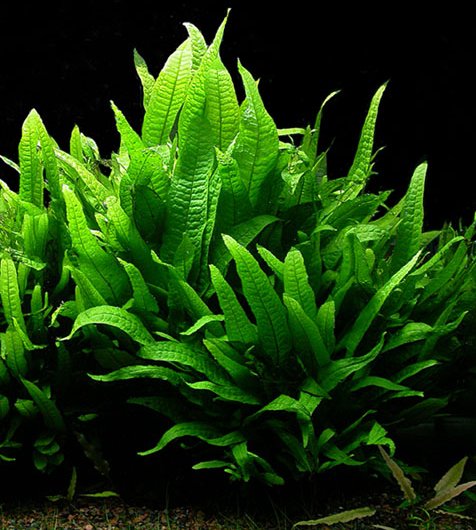
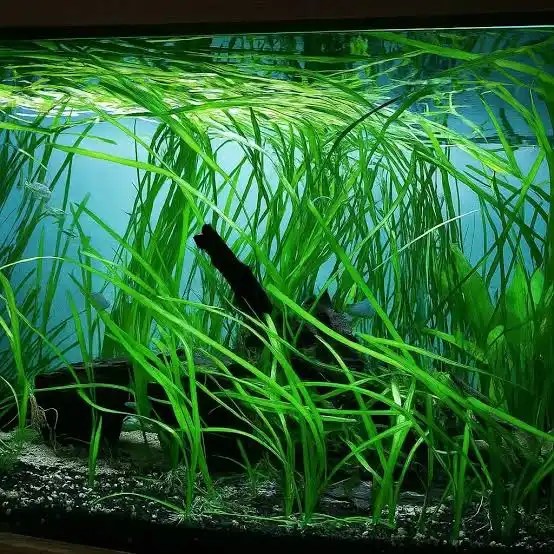
Ember Tetra (Hyphessobrycon amandae) is a small, hardy, vibrant fish that thrives in tanks with a minimum size of 10 gallons. They require stable water temperatures from 75°F to 80°F (24°C – 27°C), a pH level from 6.0 to 7.0, and soft water (5–10 dGH). To avoid stress and support their natural schooling behavior, they must be kept in groups of at least 10 with plenty of live aquatic plants.


What is an Ember Tetra?
The Ember Tetra is a small, freshwater nano fish native to the Araguaia River basin in Brazil. Characterized by their striking, translucent fiery-orange color, these fish only grow to a maximum size of 0.8 inches (2 cm). They are highly peaceful, making them a staple choice for aquascapers and nano tank enthusiasts worldwide.
| Scientific name | Hyphessobrycon amandae |
| Origin | Araguaia River basin, Brazil |
| Size | Very small, about 1.5 – 3 cm |
| Lifespan | Average about 2 – 3 years |
| Color | Orange-red |
| Temperament | Peaceful |
| Schooling behavior | Shoaling species, ideally in groups of 8 – 10 |
Tank Size
The minimum tank size suitable for keeping a school of Ember Tetra fish is 10 gallons. Ember Tetras are schooling fish, so you should keep a school of 8 to 10 or more.
Ember Tetra Tank Setup & Habitat
Water parameters table for Ember Tetras:
| Parameter Item | Ideal Range (2026 Aquatics Standard) |
|---|---|
| Water Temperature | 73°F to 84°F (23°C to 29°C) |
| pH Level | 6.0 to 6.8 (Slightly acidic) |
| Water Hardness | 1 to 8 dGH (Soft water preferred) |
| Ammonia & Nitrite | 0 ppm (Strictly) |
| Nitrate | Below 20 ppm |
Diet
Ember tetras are small, omnivorous fish. They can eat live, frozen, or commercial foods.
Commercial food: Micro-sized pellets or flakes designed for aquarium fish.
Live and frozen food: Baby brine shrimp (artemia), daphnia, micro tubifex worms, mosquito larvae, etc.
Plant-based food: Microalgae or finely mashed vegetables (should be boiled to prevent digestive issues).
Note: If the food is too large, it needs to be crushed into bite-sized pieces to help the fish eat and digest better.
Feeding schedule for Ember tetras
Feed about twice a day, giving them just enough food to finish within 1 – 2 minutes. Avoid overfeeding, as it can pollute the aquarium water.
Note: Ember tetras typically swim in the middle layer of the tank, so the food needs to float or remain suspended for a moment so they can catch it before it sinks to the bottom.
Common Diseases and Treatments
Despite their small size, Ember tetras are hardy and healthy fish that rarely fall ill. However, when water quality declines, temperatures change abruptly, or they experience stress, they are prone to the following common diseases:
White Spot Disease (Ich)
This is the most common disease when keeping almost any fish species, not just Ember Tetras. I have also written a very detailed article about this disease and its treatment, which you can check out here:
How to completely cure White Spot Disease (Ich) in fish

Causes: Sudden cold water and poor water quality cause stress and weaken the fish’s immune system, allowing parasites to infect them.
Symptoms:
- Tiny white spots adhering to the fish’s body, fins, or gills.
- The fish frequently rubs against the tank or objects inside it.
- The fish swims sluggishly, breathes heavily, and lacks alertness.
Treatment:
- Increase and maintain the water temperature between 82 – 86°F.
- Combine with using specialized medication according to the prescribed dosage.
Advice: I do not recommend treating Ich by adding salt to the water, even in small amounts, because Ember Tetras are very sensitive to salt and this method is not very effective for them. I am not promoting any specific medication product either; it’s best to consult experts regarding the type of medicine and dosage, or carefully read this article: How to completely cure White Spot Disease (Ich) in fish
Note: Overcrowding the tank can easily cause rapid transmission among fish in the school.
Fin Rot / Fungal Infection
This is also a very common disease for aquarium fish keepers. If left untreated promptly, even if they recover, they often end up deformed and lose their beauty—something that is not pleasant at all for fishkeepers like you and me.

Causes:
- Bacterial infection due to poor water conditions (excessive ammonia/nitrite).
- Scratches caused by sharp, hard objects in the tank (such as sharp rocks, fish nets, etc.).
- Fin nipping by other aggressive fish species. Check if you are keeping any of these species (or scroll down to see compatible tank mates for Ember Tetras).
- Introducing new fish that inadvertently carry pathogens into the tank.
Symptoms: There are 2 main stages of this disease; early detection and treatment minimize damage to the fish.
Early stage (easiest to treat):
- Tiny white spots adhering to the fish’s body, fins, or gills.
- The fish frequently rubs against the tank or objects inside it.
- The fish swims sluggishly, breathes heavily, and lacks alertness.
Advanced stage:
- Fins are noticeably torn and frayed like a worn-out broom.
- The necrotic fin areas turn burnt black or rot away in small pieces.
- Fins are noticeably shortened compared to the beginning. The fish starts to look lethargic and swims sluggishly.
Treatment:
- Change 30 – 50% of the tank water to reduce the population of pathogenic bacteria.
- Isolate the sick fish individually.
- Use specialized fin rot medications according to the prescribed dosage.
Important: Early detection and prompt isolation for treatment will minimize damage to the fish and prevent the spread within the school.
Compatible Fish and Plant Species for Ember Tetras
Mid-to-Top Water Schoolers
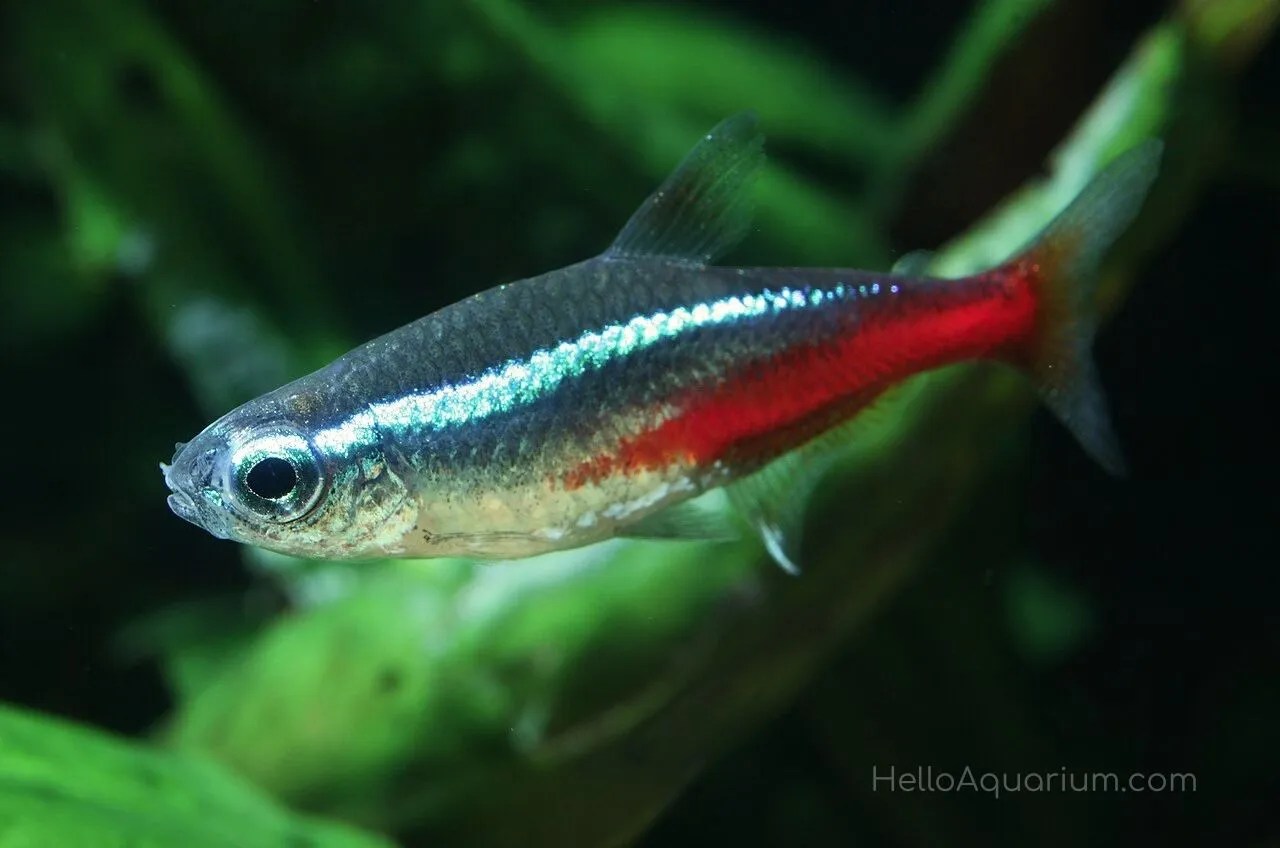
- Neon Tetras / Cardinal Tetras: The classic combination. The striking blue and red of Neons contrast beautifully with the fiery orange of Embers.
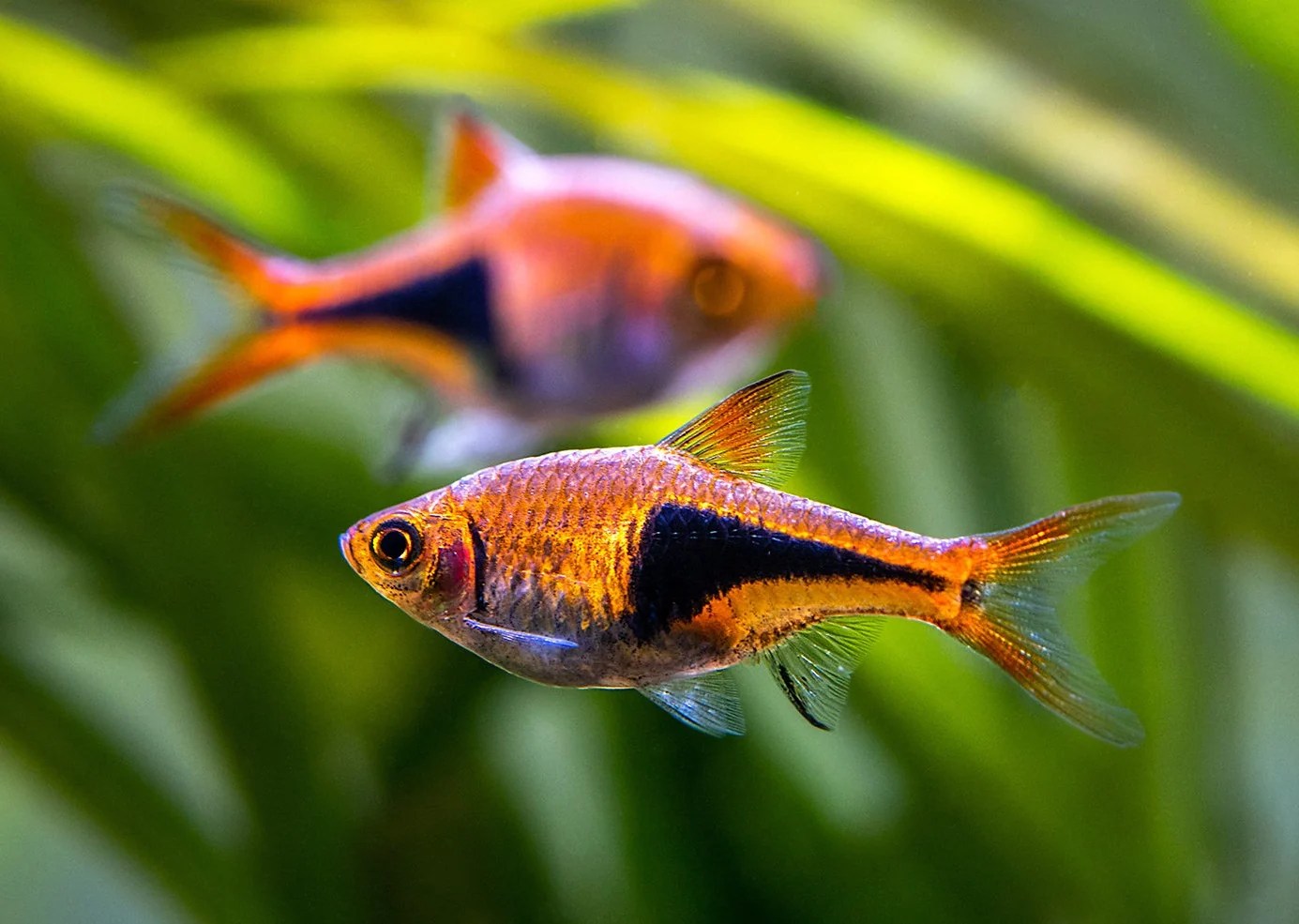
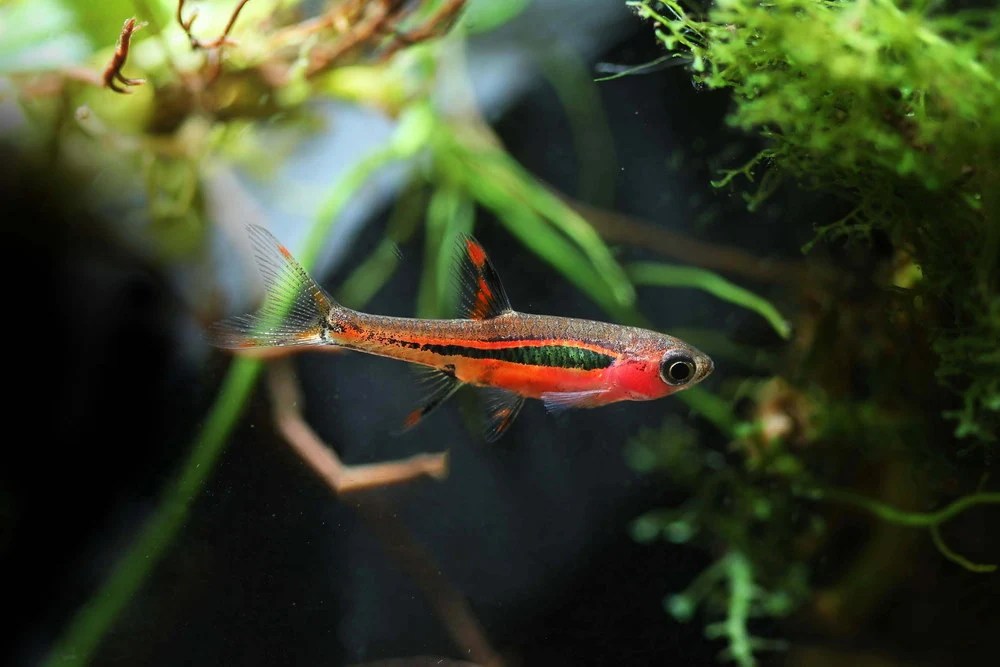
- Harlequin Rasboras / Chili Rasboras: Chili Rasboras are perfect for ultra-nano tanks (5–10 gallons), while Harlequins fit better in 20-gallon setups.
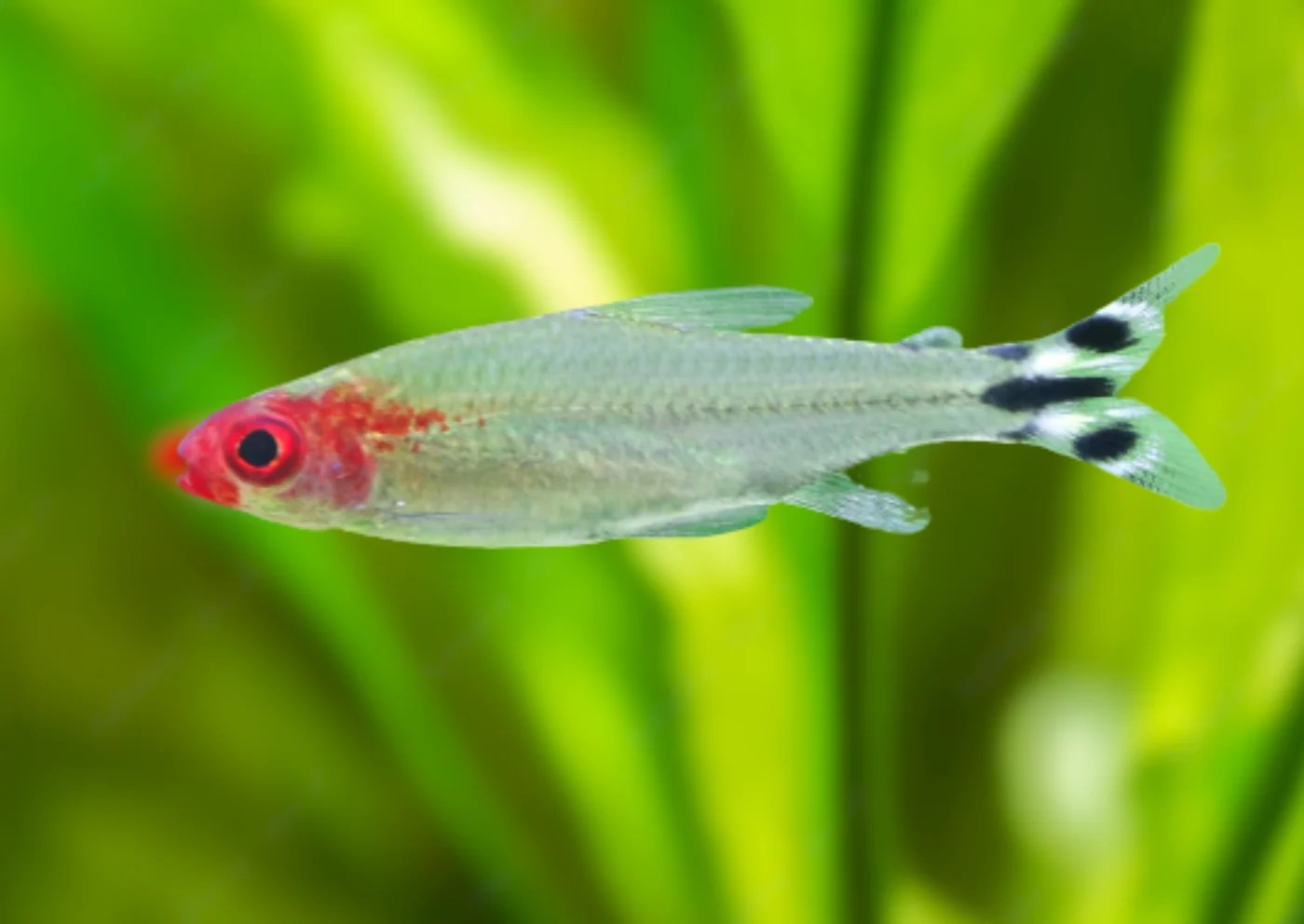
- Rummynose Tetras: Known as the ultimate schooling fish in the US hobby. They stay in a tight pack and serve as great “canaries in a coal mine” because their red noses fade if water quality drops.
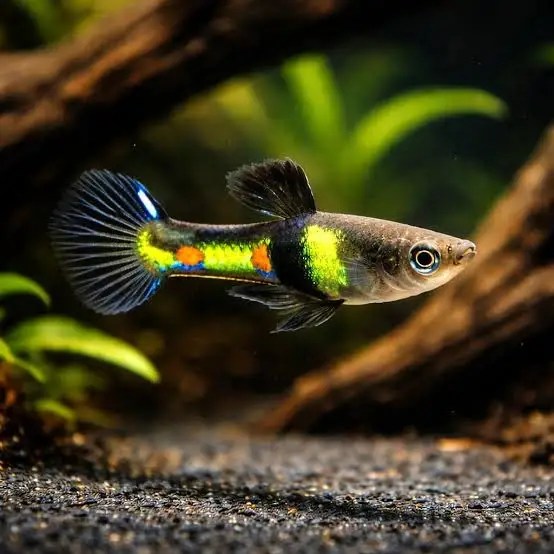
- Endler’s Livebearers: Smaller and less aggressive than standard Guppies, their bright neon colors add immense energy to the top layer of the tank.

Bottom Dwellers & Clean-up Crew
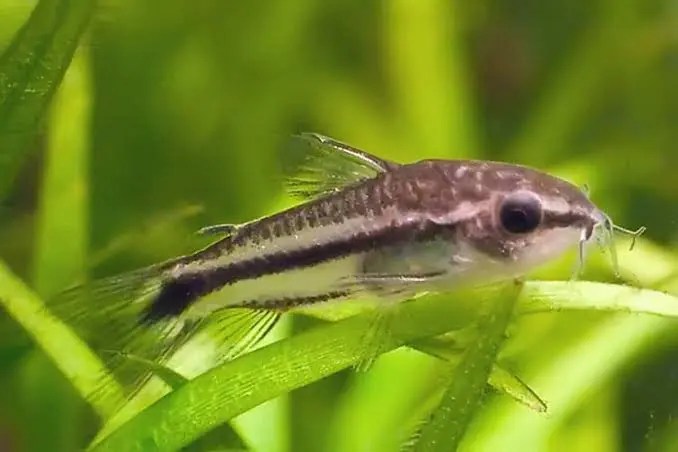
- Pygmy Corydoras (Corydoras pygmaeus): Miniature catfish that only grow to about 1 inch. They will often school with your Ember Tetras, creating a fascinating dynamic.
- Otocinclus Catfish (Otos): The absolute best choice for algae control. They are 100% plant and fish-safe.
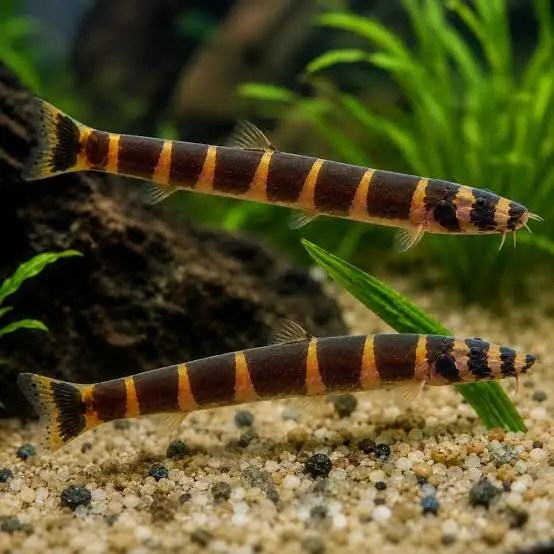
- Kuhli Loaches: Weird, noodle-like fish that love to sift through the substrate at night. They are entirely peaceful and add a fun “quirk” factor.

Ornamental shrimp and snails
- Cherry Shrimp: The bright red coordinates well with the Embers.
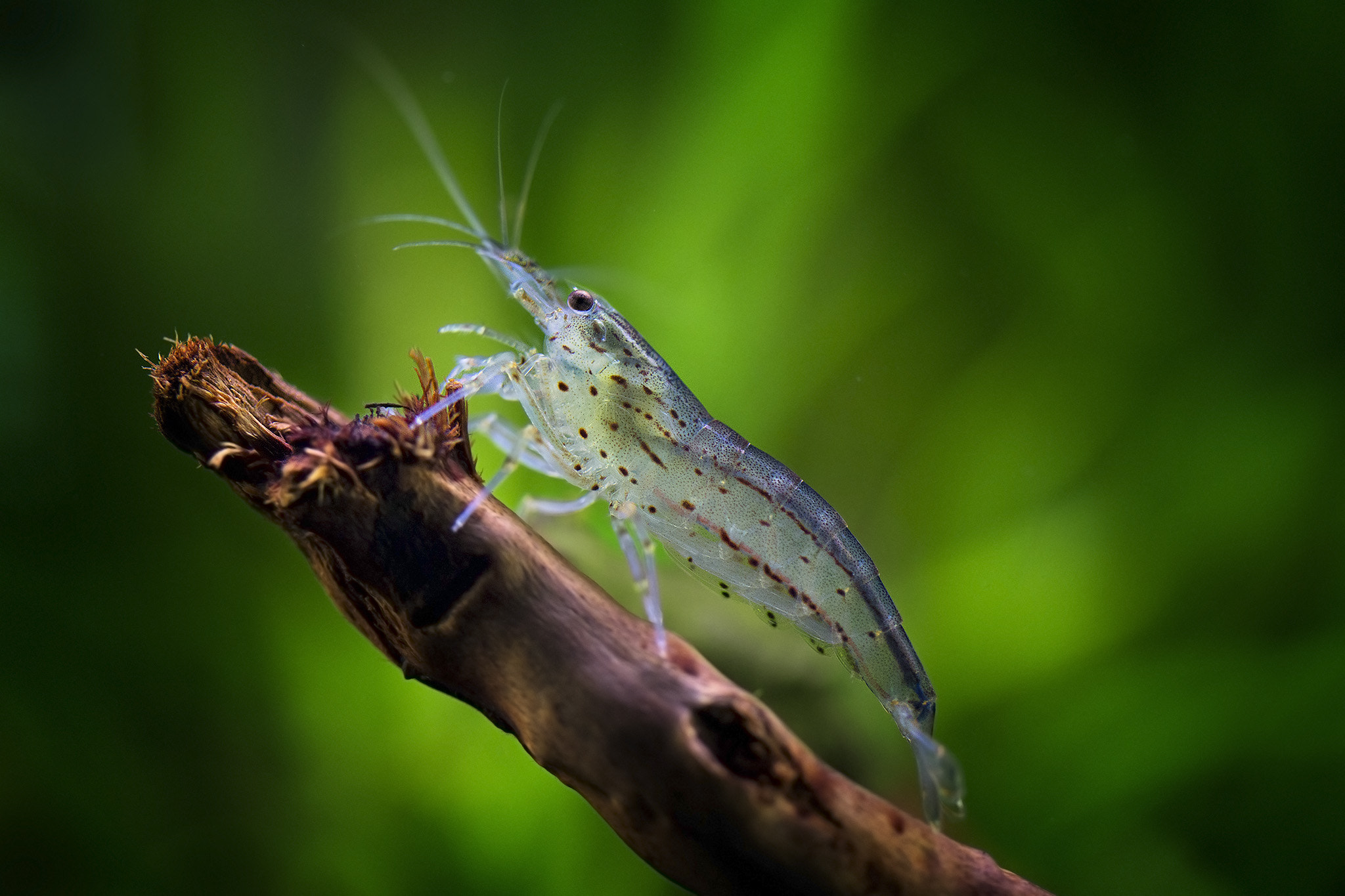
- Amano Shrimp: Larger, hardier, and legendary at eating hair algae. They are way too big for Ember Tetras to bother.
- Mystery Snails & Nerite Snails: Excellent clean-up crew that won’t overpopulate the tank.



Strictly Avoid: Do not keep Ember Tetras with aggressive fish. Many beginners make the mistake of housing them with popular fish that have an aggressive temperament, which inadvertently harms them:
- Angelfish: As Angelfish grow, Ember Tetras become expensive live food.
- Bettas: While it can work in a heavily planted 20-gallon tank, many Bettas are too aggressive and will hunt down the brightly colored Embers.
- Tiger Barbs: Known fin-nippers that will stress Ember Tetras to death.